
TANZANIA SAFARI
Overviews
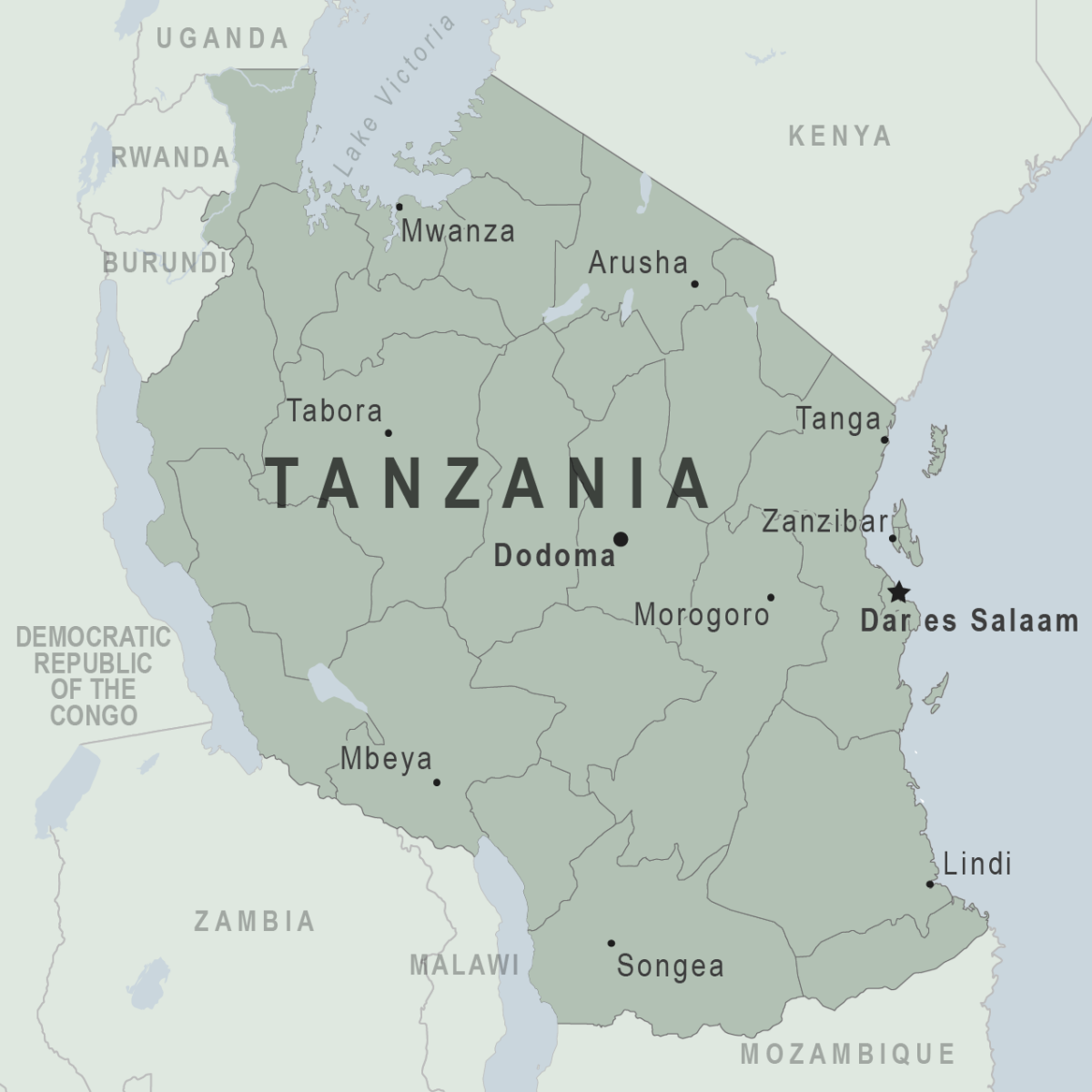
Tanzania is bordered by Kenya and Uganda to the north, Rwanda, Burundi and the Democratic Republic of the Congo to the west, and Zambia, Malawi and Mozambique to the south. It eastern border lies on the Indian Ocean. It is about the same size as Nigeria (945,000 sq km). The country used to be called Tanganyika under British colonial rule but changed to Tanzania in 1961 after independence. The country then united with Zanzibar to become the United Republic of Tanzania under the first President Julius Nyerere.
The capital is Dodoma, although the coastal city of Dar es Salaam remains the principal city; and with more than 127 ethnic groups, each with its own language, Swahili is the official language although English is widely spoken.
Geologically, the northeast of Tanzania has a number of volcanoes which appeared in the Great Rift Valley – Kilimanjaro, Meru and Oldonyo Lengai are the most famous ones – while to the northwest are the great lakes of Victoria (Africa’s largest) and Tanganyika (Africa’s deepest). The central area of the country is a large plateau of plains and arable land, while the eastern shores are hot and humid.
Tanzania Map
Climate in Tanzania
Tanzania is a large nation and has a varied equatorial climate. Overall the climate is tropical, with hot and humid coastal areas while the northwestern highlands are cool and temperate. In the highlands of the northeast temperatures range between 10C and 20C while the rest of the country rarely drops below 20C. Generally the hottest period of the year is November to February and the coolest period from May to August.
Temperatures
The warm Tanzania climate lasts from mid-December to March, roughly corresponding with the rainy period of the south, west, and central region of the country. From June to October, it is generally colder and drier across the country. Temperatures on Mount Kilimanjaro and Mount Meru drop below freezing at night.
Knowing the temperature and climate during the month in which you want to climb Kilimanjaro is clearly of great importance in preparing for Kilimanjaro and in particular your Kilimanjaro packing list.